
Quick answer
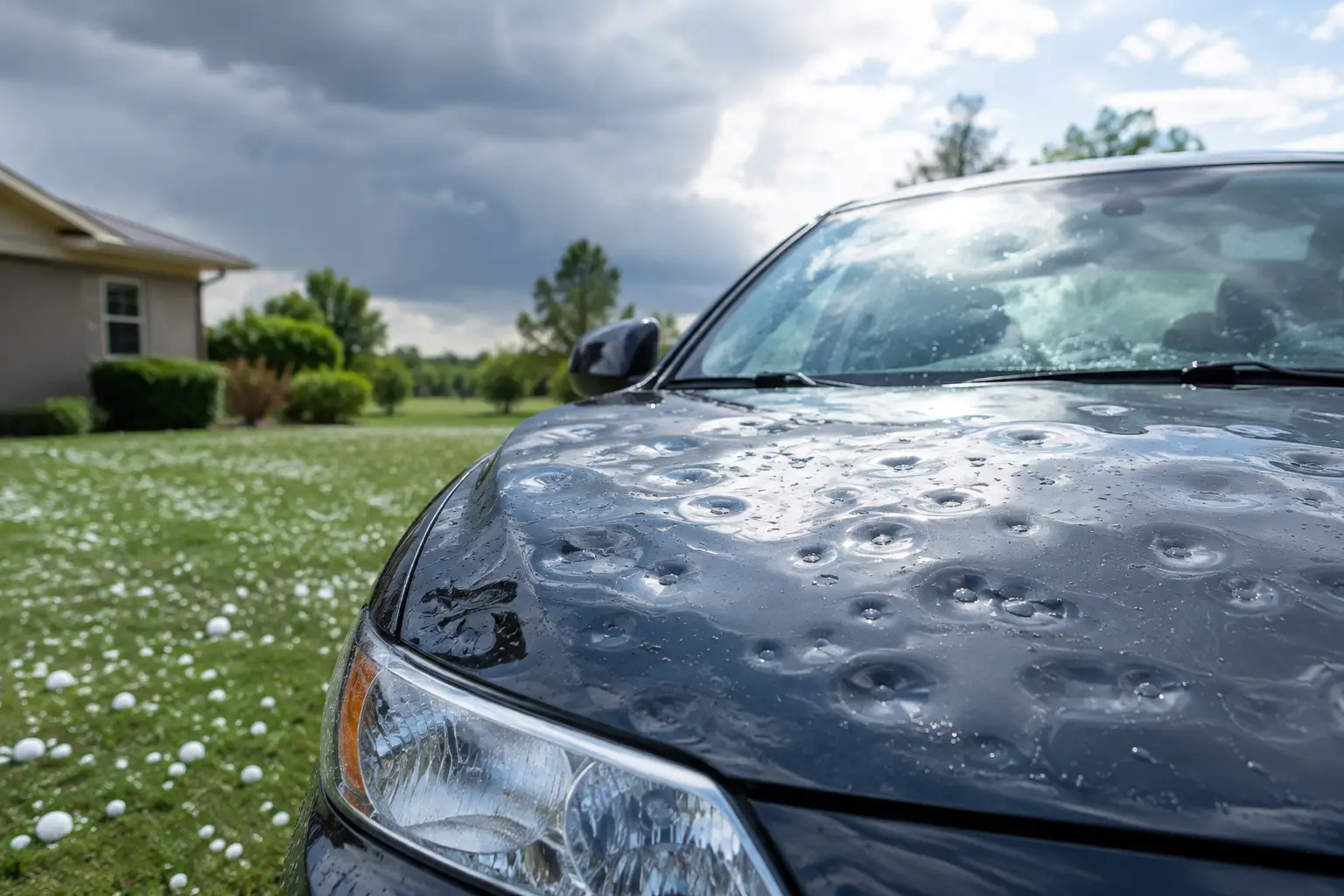
After hail or high winds in Dallas–Fort Worth, document visible damage safely and arrange a professional inspection before making repair or insurance decisions.
A North Texas hailstorm can leave a roof looking perfectly normal from the driveway while bruising shingles, loosening granules, cracking vents, and shortening the roof's service life. So, does insurance cover hail damage? In many cases, yes - but coverage depends on the cause of damage, the policy language, the deductible, and the condition documented during the claim.
For homeowners and commercial property owners in Dallas, Fort Worth, Plano, and Flower Mound, the best first move is not guessing whether the roof is damaged. It is getting a qualified inspection, protecting the property from further damage, and understanding what the policy actually requires.
Does Insurance Cover Hail Damage to a Roof?
Most standard homeowners insurance policies cover sudden, accidental hail damage to the roof and other exterior components, such as gutters, siding, skylights, windows, and fences. Hail is generally considered a covered weather event rather than ordinary wear and tear.
That does not mean every hail-related claim results in a full roof replacement. An insurer may approve a repair when the damage is limited and repairable. If hail damage affects enough of the roofing system or a suitable match is not available, replacement may be considered. The decision is based on the policy, the adjuster's findings, applicable building requirements, and the evidence of storm-related damage.
Commercial policies can work differently than residential policies. A commercial building may have separate provisions for flat roofing, cosmetic damage, wind or hail deductibles, actual cash value, and exclusions for aging materials. Property managers should review the declarations page and endorsements before assuming the same coverage applies to every building component.
What Insurance Usually Will Not Pay For
Insurance is designed for sudden covered losses, not routine upkeep. If a roof is leaking because it has reached the end of its useful life, has poorly maintained flashing, or has a pre-existing installation problem, the insurer may deny that portion of the claim. The same can be true when there is no clear evidence that a recent hailstorm caused the condition.
Cosmetic damage is another area where policies differ. Some policies exclude damage that changes the appearance of metal roofing, vents, gutters, or other components without affecting their ability to shed water or function as intended. A dented metal fixture may be frustrating to see, but it is not always covered.
Coverage may also be limited by specific roof endorsements. Older roofs can be insured on an actual cash value basis instead of replacement cost. Some policies use special wind and hail deductibles, while others limit payment for certain materials. Read the policy rather than relying on what a neighbor's insurer paid after the same storm.
Your Deductible Can Change the Math
A deductible is the amount you pay before insurance contributes to a covered loss. In Texas, a policy may have a standard deductible, a separate wind and hail deductible, or a percentage-based deductible tied to the dwelling limit.
For example, a 1% deductible on a home insured for $400,000 would be $4,000. That can make a meaningful difference when deciding whether a claim makes financial sense. A smaller repair may fall below the deductible, while a larger storm restoration could still justify filing a claim.
Your contractor should never promise to waive or absorb your deductible. The deductible is part of the policyholder's responsibility. What a reputable roofing contractor can do is provide clear inspection documentation, a detailed scope of work, and practical support as you work through the claim.
Replacement Cost vs. Actual Cash Value
How your roof is valued matters almost as much as whether hail is covered. A replacement cost value policy typically pays the cost to repair or replace covered damage, subject to the deductible and policy terms. Many policies initially issue an actual cash value payment, then release remaining recoverable depreciation after the work is completed and documented.
Actual cash value coverage accounts for depreciation. If an older roof is damaged, the insurer may subtract value for age and condition before issuing payment. That can leave the property owner with a larger out-of-pocket cost than expected.
Ask the adjuster or insurance representative whether your policy provides replacement cost value or actual cash value for the roof. Also ask whether depreciation is recoverable, whether there is a deadline to complete repairs, and whether code-related upgrades have separate coverage limits.
What to Do After a Hailstorm
Start with safety. Do not climb on the roof to look for damage, especially if the surface is wet, steep, or covered in loose granules. Take ground-level photos of hail accumulation, visible exterior damage, damaged screens, and any water spots that appear indoors. Note the date of the storm and save receipts for any emergency measures, such as temporary covering to prevent additional water intrusion.
Then schedule a professional roof inspection. Hail impacts can be subtle, and an untrained inspection may miss fractured shingle mats, damaged soft metals, compromised seals, or punctures around rooftop equipment. A thorough assessment should consider the full roofing system, not just the most visible slope.
If the inspector finds storm damage, notify your insurance company promptly. Do not wait until a small leak becomes an interior repair. Policies often require timely reporting and reasonable steps to prevent further loss. Filing a claim begins the insurer's review; it does not guarantee approval.
When the adjuster schedules an inspection, it can help to have your roofing contractor present. The contractor can point out documented storm impacts and discuss the repair scope, while the adjuster makes the coverage decision for the carrier. Keep communication professional and keep copies of estimates, photos, correspondence, and claim documents.
Why a Professional Inspection Matters Before You File
Not every storm warrants an insurance claim. A no-cost inspection can help determine whether there is evidence of hail damage, whether repairs may be appropriate, or whether the roof simply needs maintenance. This gives you a clearer basis for deciding what to do next.
It also protects against two common problems: filing a claim without a covered loss and overlooking damage that later leads to leaks. Granule loss, bruised shingles, damaged flashing, and gutter impacts may not be obvious from the ground, but they can affect how a roof performs through the next round of North Texas heat, wind, and rain.
A good contractor will explain findings in plain language. You should understand which areas were inspected, what damage was found, what is likely storm-related, and what work is recommended. Be cautious of anyone who pressures you to sign a contract before you have reviewed the scope, the insurance estimate, and your options.
Questions to Ask Before Repairs Begin
Before authorizing work, confirm whether the insurer's scope covers all damaged components and whether any supplement may be needed for items discovered during construction. Ask how material matching will be handled, what warranty applies to the completed work, and who will communicate with the carrier if the approved scope differs from documented damage.
For commercial properties, also clarify access, tenant coordination, drainage protection, safety planning, and how the project will be scheduled to minimize disruption. A roof claim is not just paperwork. It is a building-protection decision that needs a sound restoration plan.
Reilly Roofing and Gutters helps Dallas-Fort Worth property owners document storm damage and understand the roofing side of the insurance process. If you are concerned about a recent hailstorm, schedule a no-cost, no-obligation inspection before small damage has a chance to become a larger problem.
Local roofing help
Need storm damage repair in Dallas–Fort Worth?
Reilly Roofing and Gutters can inspect the issue, explain the practical options, and connect you with the Reilly office that serves your area.
Common questions
About Storm & Hail Damage
What should I do first after hail in Dallas–Fort Worth?
Stay off the roof, photograph visible damage from the ground, note the storm date, and arrange an inspection. Save receipts for any emergency work needed to prevent additional damage.
Can a roof have hail damage without an active leak?
Yes. Hail can bruise shingles, dislodge granules, or damage vents and flashing before water reaches the interior. An inspection can identify those conditions while evidence is still clear.
Can a roofer guarantee an insurance claim will be approved?
No. Coverage decisions belong to the carrier. A roofing contractor can document visible conditions, explain a repair or replacement scope, and be available during the adjuster visit when appropriate.