
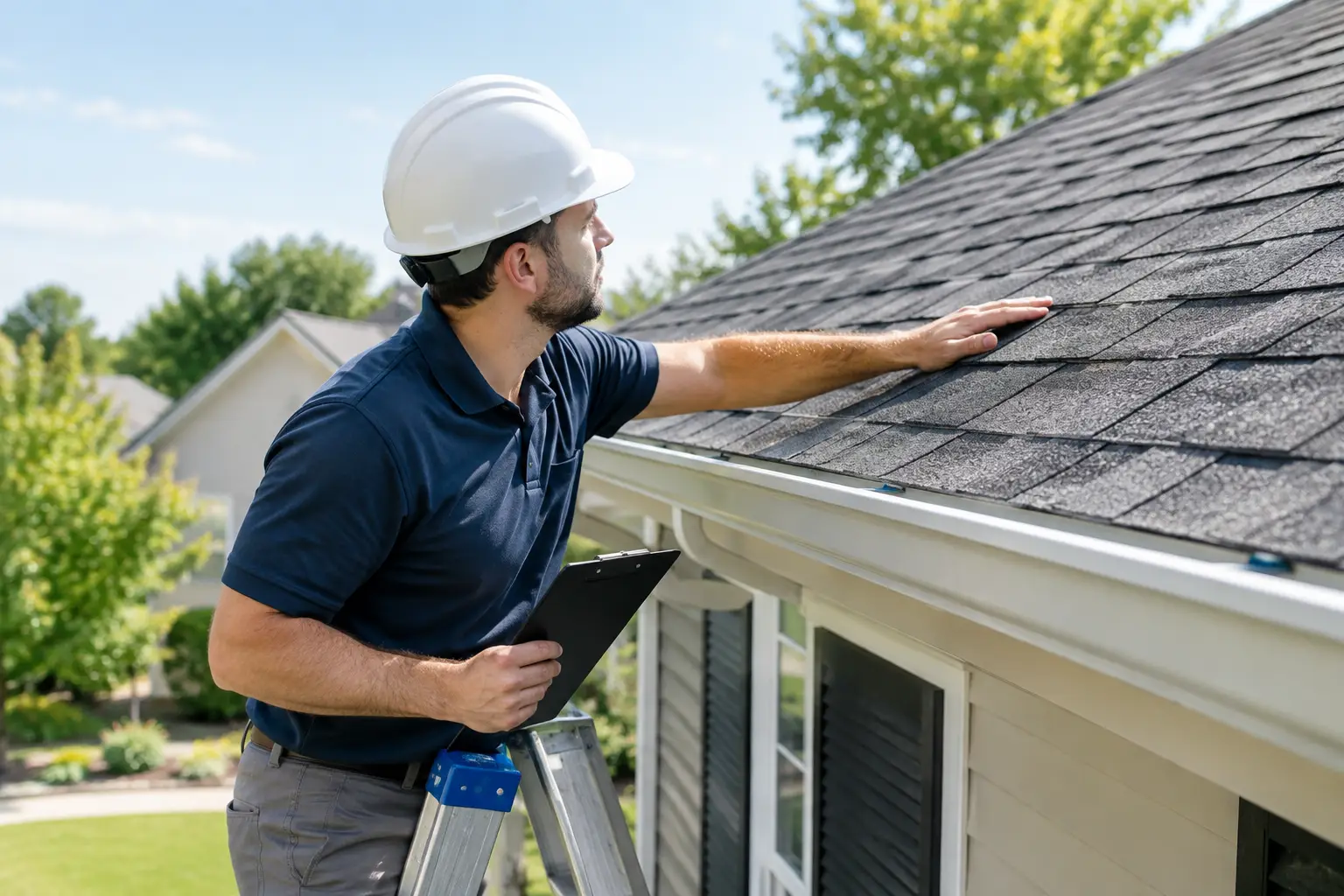
The moving boxes may still be in the garage, but a roof inspection after buying a house can save you from the kind of surprise no new homeowner wants: a ceiling stain after the first hard North Texas storm. A home inspection is valuable, but it is not always a full roofing assessment. If the roof was not closely evaluated before closing, getting a qualified roofer on-site soon after you take possession is a practical next step.
In Dallas-Fort Worth, roofs take a beating from hail, high winds, intense sun, sudden temperature swings, and heavy rain. A roof can look acceptable from the driveway while hiding lifted shingles, worn flashing, soft decking, or old storm damage. Finding those conditions early gives you more options, more time to budget, and a better chance of keeping a minor repair from turning into interior water damage.
Why a Home Inspection May Not Be Enough
Most general home inspectors identify visible concerns and point out obvious roof defects. That information helps buyers make a sound decision, but a general inspection has limits. The inspector may view the roof from the ground, use binoculars, or only access areas that are safely reachable. They are not usually there to diagnose the full condition of a roofing system, estimate its remaining service life, or determine whether a past repair was completed correctly.
A dedicated roofing inspection is more focused. A roofing professional evaluates the shingles or roofing membrane, ridges, valleys, penetrations, flashing, ventilation, gutters, attic conditions when accessible, and signs of storm impact. The goal is not to create alarm over normal wear. It is to separate routine maintenance from active problems and help you understand what should be addressed now, watched over time, or planned for in the future.
That distinction matters when the seller's disclosure says the roof is "in good condition." A roof may be functioning today while still nearing the end of its useful life. It may also have isolated damage that is repairable without requiring a full replacement. Clear information prevents guesswork.
What a Roof Inspection After Buying a House Can Find
Roof issues do not always announce themselves with a leak. In fact, by the time water reaches a bedroom ceiling, moisture may have already traveled through the roof deck, insulation, or framing. A detailed inspection looks for early warning signs that are easier and less expensive to correct.
Common findings include cracked, missing, curled, or loose shingles; exposed nail heads; damaged pipe boots; deteriorated flashing around chimneys, skylights, walls, and vents; and granule loss that leaves shingles vulnerable to the Texas sun. On low-slope and commercial-style roof sections, the inspection may reveal ponding water, seam separation, punctures, or drainage concerns.
The gutters deserve attention as well. Gutters that pull away from the fascia, overflow during rain, or drain too close to the foundation can cause trouble beyond the roofline. Properly sized and secured gutters move water away from the home and help protect siding, landscaping, and the foundation.
Storm Damage Is Not Always Obvious
Hail damage is a particular concern across North Texas. Some hail strikes leave clear bruising or fractured shingle surfaces, while others are harder to see without a close inspection. Wind can break shingle seals or lift tabs just enough for future rain to get underneath. A roof may not leak immediately after a storm, which is why homeowners sometimes miss damage until months later.
If a recent storm passed through your neighborhood, do not rely on what you can see from the yard. Documented findings from a professional inspection can help you make an informed decision about repairs and, when appropriate, an insurance claim. Not every damaged roof qualifies for replacement, and not every old roof has storm damage. A straightforward assessment should explain the difference.
When to Schedule the Inspection
The best time is soon after closing, especially if the home inspection raised any question about roof age, visible wear, attic staining, drainage, or prior repairs. You do not need to wait for a leak. Scheduling early lets you establish a baseline for the roof you just purchased.
An inspection is especially worthwhile if you bought a home with an older roof, inherited a property with limited maintenance records, or moved in after a hail or wind event. It is also smart to schedule one before investing in interior renovations. There is little sense in updating a room beneath a roof that needs flashing work or replacement planning.
If your purchase included a seller-provided roof warranty, read the terms closely. Some warranties cover only certain components, exclude pre-existing conditions, or require prompt reporting of a problem. An independent assessment can give you a clearer picture of what is actually overhead.
What Happens During a Professional Inspection
A good inspection should feel organized, not sales-driven. The roofing team will review the roof's visible condition, check likely leak points, assess drainage components, and look for evidence of prior repairs or storm damage. If attic access is available, they may check for moisture stains, daylight around penetrations, wet insulation, mold-like growth, or ventilation issues.
Afterward, you should receive a clear explanation of the findings. Ask whether the roof needs immediate repair, whether it can be maintained for several more years, and what signs should prompt a follow-up visit. If replacement is recommended, ask why, what material options fit the home, and whether a targeted repair is a reasonable alternative.
Be cautious with any contractor who pressures you to sign immediately or makes promises before inspecting the roof. A dependable contractor can explain the condition in plain language, show you the evidence, and give you room to make the right decision for your property.
Repair, Replacement, or Maintenance: How to Decide
The right answer depends on the roof's age, the extent of damage, the condition of the deck and flashing, and your plans for the home. A few missing shingles on a roof with years of useful life may call for a repair. Worn pipe boots, loose flashing, and minor gutter corrections are often manageable maintenance projects.
Replacement becomes more likely when damage is widespread, shingles are brittle or failing across multiple slopes, leaks have affected the decking, or the roof is at the end of its expected service life. A new system is a major investment, so the scope should be supported by evidence, material choices, workmanship protections, and a clear installation plan.
For buyers who plan to stay in the home, it can be worth choosing higher-quality materials and a stronger warranty rather than simply selecting the lowest bid. For those planning a shorter stay, a properly documented repair or replacement can still protect the home and reduce problems during a future sale. There is no one-size-fits-all answer, but delaying a known water-entry issue is rarely the economical choice.
Keep Records From Day One
Start a simple home file with your closing documents, seller disclosures, inspection report, roof assessment, invoices, photographs, warranty paperwork, and storm-related correspondence. These records make future maintenance easier and can be useful if you ever file an insurance claim or sell the property.
It also helps to note the roof's approximate age and schedule annual checks, particularly after hail season. Regular inspections are not about finding work that does not need to be done. They are about catching small failures before water reaches the structure of your home.
For homeowners across DFW, Reilly Roofing and Gutters can provide a no-cost inspection and explain what the roof needs without burying you in technical jargon. Whether the answer is a small repair, gutter work, storm documentation, or a plan for eventual replacement, you deserve to know the condition of the roof protecting the home you just bought.
Your house is new to you, even if the roof is not. Getting a clear, professional assessment now lets you settle in with fewer unanswered questions and a practical plan for whatever Texas weather brings next.