
Quick answer
A roof in Dallas–Fort Worth may need replacement when damage or aging is widespread, but a qualified inspection should separate a repairable issue from a system that has reached the end of its useful life.
A roof can look acceptable from the driveway and still be nearing the end of its useful life. In North Texas, repeated hail, high winds, intense sun, and sudden downpours put every roofing system under pressure. Roof replacement is not a decision most property owners want to make, but waiting too long can turn a manageable project into interior water damage, damaged decking, mold concerns, or a disrupted insurance claim.
The right time to replace a roof depends on more than its age. Its condition, past repairs, storm history, ventilation, material type, and the condition of the underlying structure all matter. A professional inspection gives you a clear answer before you spend money on a repair that only delays a larger problem.
Signs Roof Replacement May Be the Better Choice
A single missing shingle after a wind event may be repairable. A roof with widespread missing, cracked, curled, or lifted shingles is a different situation. When damage appears across several slopes, repairs can become a short-term patchwork rather than a lasting solution.
Water stains on ceilings, damp insulation, peeling paint near the roofline, or a persistent attic odor deserve prompt attention. A leak does not always sit directly below the damaged area. Water can travel along decking, framing, or pipes before it becomes visible inside, which is why an exterior-only assessment can miss the full story.
Granules collecting in gutters are also worth investigating. Asphalt shingles naturally lose some granules over time, but heavy accumulation can indicate that the protective surface is wearing away. That loss leaves the shingle more exposed to Texas heat and weather. Dark spots, exposed fiberglass matting, and brittle shingle edges are stronger signs that the roof may be reaching the end of its serviceable life.
Age matters, but it is not a verdict by itself. A well-installed roof that has avoided major storms may perform well for years. On the other hand, a newer roof with repeated hail impacts, poor ventilation, or installation defects may need significant work sooner than expected. The question is not simply, “How old is my roof?” It is, “Can this roof reliably protect the building through the next round of severe weather?”
Repair or Roof Replacement: What Changes the Decision?
Repair is often the sensible choice when the issue is isolated. A damaged pipe boot, a small flashing failure, or a limited section of wind damage may be corrected without replacing the entire system. The repair should match the surrounding roofing material, address the actual source of the leak, and protect adjacent areas from future water intrusion.
Replacement becomes more practical when damage is widespread, repairs are recurring, or the existing material is too worn to integrate new work effectively. If several areas have leaked over time, the contractor should also evaluate the roof deck. Shingles cannot compensate for rotted or weakened decking beneath them.
A replacement can also make sense before selling or buying a home. For sellers, a failing roof can complicate negotiations and inspections. For buyers, an aging or storm-damaged roof should be evaluated early, before it becomes an unexpected expense after closing. Commercial owners and property managers face a similar decision when recurring leaks begin affecting tenants, operations, or inventory.
What a Proper Replacement Inspection Should Cover
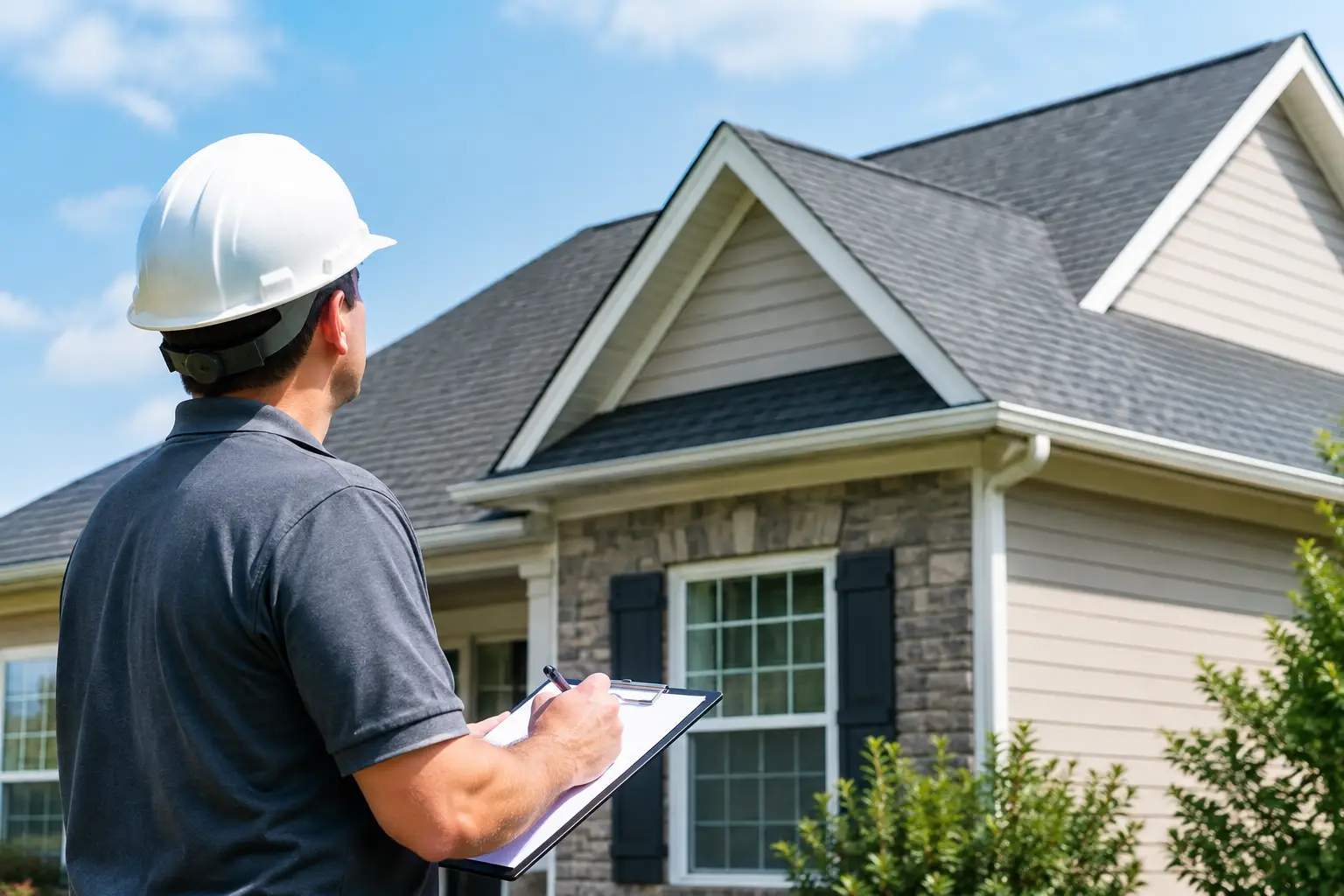
A useful inspection is more than a quick look at the shingles. The roof should be evaluated as a system. That includes the roofing material, flashing around chimneys and penetrations, valleys, ridge areas, vents, drip edge, gutters, decking where visible, and attic conditions when access is available.
The attic can reveal problems the roof surface does not. Inadequate intake and exhaust ventilation can trap heat and moisture, increasing wear on shingles and contributing to condensation concerns. Insulation, bathroom exhaust vents, and signs of previous leaks also help explain how the roof has been performing.
For homes in Dallas, Fort Worth, Plano, and Flower Mound, a storm-damage inspection should document wind and hail findings clearly. That documentation can help a property owner understand the condition of the roof and prepare for discussions with an insurance adjuster. It does not guarantee claim approval, but it gives the owner a better foundation for making decisions and presenting the condition accurately.
What Happens During a Roof Replacement
A well-managed project begins with a written scope of work. You should understand which materials are being installed, whether old roofing will be removed, how decking repairs are handled if needed, what ventilation components are included, and how the work area will be protected and cleaned.
Once work begins, the existing roofing material is removed where the scope calls for a full tear-off. The crew then inspects the exposed deck and replaces damaged sections before installing the new roofing system. Underlayment, flashing, starter materials, shingles or other roof covering, ridge components, and ventilation details all need to work together. The visible shingles matter, but the materials underneath often determine how well the roof handles wind-driven rain.
Noise and activity are unavoidable during replacement. A responsible contractor plans for access, material delivery, landscape protection, magnetic nail cleanup, and debris removal. If you have pets, young children, sensitive equipment, or tenants on site, discuss those needs before the project is scheduled. Clear expectations make the day easier for everyone.
Weather can affect the schedule, especially during storm season. Roofing should not be rushed in unsafe conditions or when rain could compromise exposed areas. A dependable contractor communicates schedule changes and protects the property while work is underway.
Material Choices Should Fit the Property
For many DFW homes, architectural asphalt shingles offer a practical balance of appearance, durability, and cost. They are available in a range of colors and profiles, but not every shingle is equal. Wind ratings, impact resistance, manufacturer requirements, and compatible accessory products should all be part of the conversation.
Some properties may benefit from impact-resistant shingles after repeated hail exposure. These products can be a worthwhile consideration, but they are not indestructible and may cost more up front. The right choice depends on the roof design, budget, insurance considerations, and the owner’s long-term plans for the property.
Commercial systems require their own evaluation. Flat and low-slope roofs may use TPO, PVC, modified bitumen, or other systems selected for drainage design, building use, foot traffic, and existing conditions. A material that performs well on a steep-slope residence may not be appropriate for a commercial building.
Insurance Claims Require Clear Documentation
After a damaging storm, start by protecting the property and arranging a professional inspection. Take note of active leaks, interior damage, damaged gutters, fallen debris, and any temporary protection that was needed. Avoid climbing onto the roof yourself, especially after wind or hail.
If you decide to file a claim, the process can feel like another full-time job. The insurance carrier determines coverage, while your roofing contractor can provide inspection findings, photographs, measurements, and repair or replacement documentation. A knowledgeable contractor can also help you understand the scope of work and be available during the adjuster process when appropriate.
Be cautious of anyone who promises claim approval, offers to waive a deductible, or pressures you to sign before you understand the work. A roof is too significant an investment for vague answers or rushed decisions.
Choose a Contractor for the Whole System
The lowest estimate is not always the lowest cost over the life of the roof. Ask about manufacturer certifications, workmanship coverage, material specifications, crew supervision, cleanup practices, and how unexpected deck repairs are communicated. You should also know whether the contractor is properly insured and whether the proposed system qualifies for available manufacturer warranty options.
Reilly Roofing and Gutters helps DFW property owners move from inspection to completed roofing work with clear communication, manufacturer-certified installation, and practical support when storm damage or insurance questions are part of the job.
If your roof has leaked, lost shingles, taken hail damage, or simply reached an age that raises concerns, do not wait for the next heavy rain to provide the answer. Schedule an inspection, ask direct questions, and choose the solution that protects the property for the years ahead.
Local roofing help
Need roof replacement in Dallas–Fort Worth?
Reilly Roofing and Gutters can inspect the issue, explain the practical options, and connect you with the Reilly office that serves your area.
Common questions
About Roof Replacement
How do I know whether a roof in Dallas–Fort Worth needs replacement?
Widespread missing, brittle, curled, or damaged shingles, recurring leaks, and extensive storm damage can point to replacement. The right answer depends on the roof’s condition, age, repair history, and inspection findings.
Can an older roof still be repaired?
Sometimes. An isolated issue can be repaired when compatible materials are available and the surrounding roof still has useful life. A repair is less compelling when the material is failing across multiple roof slopes.
What should a replacement estimate explain?
Ask for the material system, underlayment, flashing, ventilation, accessories, cleanup plan, warranty options, and any conditions that could affect the final scope.