
Quick answer
Reliable gutters in Garland, TX move water away from the roof edge and foundation; recurring overflow, sagging, or leaking seams deserve a close look.
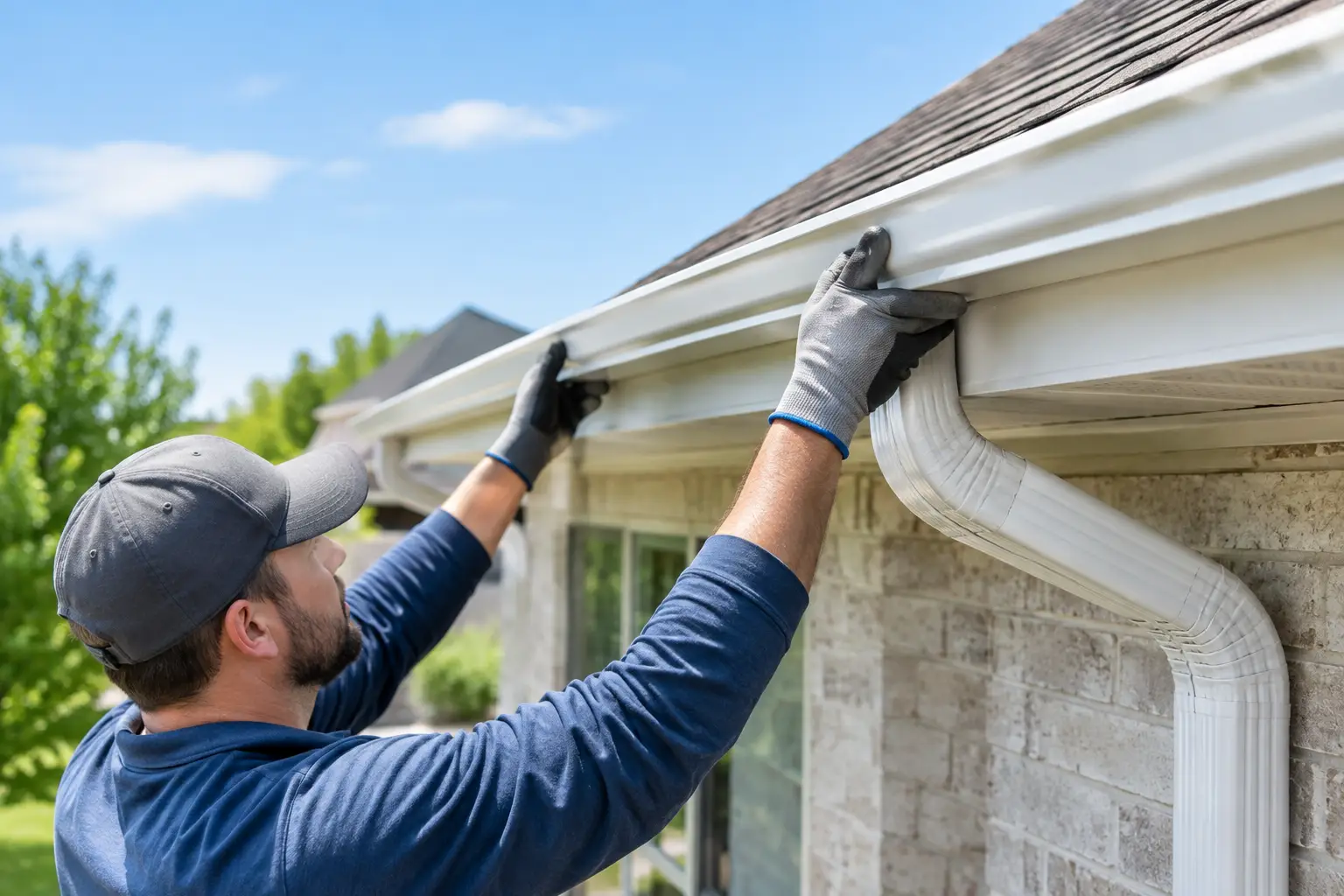
A gutter system can look fine from the driveway and still send water exactly where a Garland home does not need it: behind fascia boards, over walkways, against brick, or along the foundation. Quality gutter installation Garland TX homeowners can rely on starts with more than hanging metal at the roofline. It starts with understanding where water lands, how quickly it moves, and where it needs to go after a North Texas downpour.
For many homes, gutter trouble becomes obvious only after a hard rain. Water spills over the front entry, mulch washes away, paint begins to peel near the eaves, or a damp spot appears inside. The right installation addresses the drainage path before those smaller warnings become a repair project.
Why Proper Gutter Installation Matters in Garland
Garland homes see heavy seasonal rain, wind-driven storms, falling leaves, and occasional hail. A roof sheds a surprising amount of water during a storm, and gutters are the system that directs it away from vulnerable parts of the property. When they are undersized, poorly pitched, clogged, or routed to the wrong location, that water can work its way into places it does not belong.
The risks are not limited to the roof edge. Overflow can stain siding, soften soil around the foundation, erode landscaping, and make paths slick. Persistent water at the fascia can also contribute to wood deterioration. If a roof already has damaged flashing, lifted shingles, or storm-related wear, poor drainage can make the situation worse.
That is why gutters should be considered part of the exterior water-management system, not an afterthought. The roof, fascia, gutters, downspouts, splash control, and grade around the home all need to work together.
What a Well-Planned Gutter System Includes
There is no one-size-fits-all layout for every house. Roof area, roof pitch, valleys, upper-story sections, tree coverage, and the placement of patios or driveways all affect the design. A contractor should assess the entire perimeter instead of recommending the same configuration for every property.
Correct gutter size and capacity
Five-inch gutters are common on many residential homes, but they are not always the best choice. A larger gutter may make sense where broad roof planes or steep slopes send a high volume of water toward one section. Valleys deserve special attention because they concentrate runoff. A gutter that works adequately along a simple eave may overflow at a valley during a fast-moving storm.
The material choice matters as well. Aluminum gutters are a popular residential option because they are lightweight, resistant to rust, and available in colors that can complement trim. Seamless gutters reduce the number of joints along a run, which can reduce common leak points. They still need sound fastening, proper slope, and sealed end caps to perform as intended.
Proper pitch and secure attachment
Gutters need a slight, controlled slope toward each downspout. Too little pitch can leave standing water and debris behind. Too much pitch can look uneven from the ground and may affect how water enters the system. The goal is a clean appearance with dependable movement toward the outlets.
Fasteners are equally important. Gutters should be securely attached to solid fascia, not simply installed over compromised wood. If the fascia is soft, rotted, or pulling away, covering it with a new gutter will not solve the underlying problem. Addressing deteriorated wood first protects the new installation and helps prevent future sagging.
Downspouts placed where water can safely exit
Downspouts are not just accessories. They determine where collected water leaves the system. Their quantity and placement should match the roof layout and expected water volume, while keeping discharge away from entries, walkways, air-conditioning equipment, and the foundation.
A short extension that ends beside the house may be convenient, but it can defeat the purpose of the gutter system. In some yards, a longer extension, buried drainage solution, or other routing approach may be appropriate. The best option depends on the property's grade, hardscape, and drainage conditions. Water should be moved away without creating a new issue for a neighboring area of the yard.
Signs Your Home May Need New Gutters
Some gutter problems can be corrected with cleaning, resealing, or a limited repair. Others point to a system that has reached the end of its useful life. Frequent overflows during moderate rain, visible sagging, separated seams, recurring leaks, rust, loose sections, and peeling paint near the roofline all deserve attention.
Look closely after rainfall. Water marks below the gutter, soil trenches beneath downspouts, standing water near the foundation, and water running behind the gutter are practical clues that drainage is not under control. If gutters pull away from the fascia or the roof edge looks uneven, it is wise to have both the gutter system and the roofline inspected.
New gutters also make sense during a roof replacement. With access to the roof edge and fascia, a coordinated approach can help ensure the drip edge, roofing materials, and gutter placement work together. It can also avoid installing new gutters against a roofline that will soon need major work.
Gutter Guards: Useful, But Not a Maintenance-Free Promise
Gutter guards can be a practical upgrade for homes with nearby trees, especially when leaves, seed pods, and small debris repeatedly clog the system. They can reduce how much material enters the gutter channel and make routine maintenance easier. They are not a substitute for proper sizing, correct slope, or adequate downspouts.
Guard performance depends on the type of debris around the home, the roof pitch, and the design of the guard itself. Fine debris may still collect on top of certain products, and every system benefits from occasional inspection. The right question is not whether guards eliminate maintenance. It is whether they make sense for the home's tree coverage and the owner's maintenance preferences.
Questions to Ask Before Gutter Installation Garland TX
Before choosing an installer, homeowners should expect clear answers about the proposed layout. Ask how the crew will determine gutter size, where downspouts will discharge, whether fascia condition will be checked, and how the new gutters will coordinate with existing roof components. If there has been recent hail or wind damage, ask whether the roof edge and flashing should be inspected at the same time.
Workmanship also matters after the crew leaves. A professional installation should have straight lines, secure attachment, clean sealant work, properly supported downspouts, and a jobsite free of loose metal scraps and old materials. The system should be tested by design, not left to chance during the next storm.
For commercial properties, drainage planning can be even more involved. Long roof runs, larger drainage areas, flat-roof edges, and pedestrian traffic may call for a more detailed assessment. Property managers should consider where water flows during peak rainfall, not just whether the gutters look acceptable on a dry day.
A Practical Way to Protect the Roofline
A good gutter project begins with a full look at the roof edge, not a quick measurement from the ground. Reilly Roofing and Gutters can help homeowners evaluate gutters alongside roof condition, fascia concerns, and storm-related damage, so the recommendation fits the property rather than a generic template.
If you have noticed overflow, sagging, water stains, or erosion near your Garland home, schedule a no-cost inspection before the next heavy rain exposes a bigger problem. A properly designed gutter system gives water one clear direction: away from the roof, away from the foundation, and away from the stress of preventable repairs.
Local roofing help
Need gutter installation and repair in Garland, TX?
Reilly Roofing and Gutters can inspect the issue, explain the practical options, and connect you with the Dallas office.
Common questions
About Gutters & Drainage
When should gutters be repaired or replaced in Garland, TX?
A targeted repair may work for one loose hanger or a small seam issue. Replacement becomes more practical when sections sag, leak repeatedly, pull away from the fascia, or no longer handle roof runoff.
Can gutter problems affect a roof?
Yes. Overflow and poor drainage can keep water at the eaves, affect fascia and soffit, and contribute to water problems around the home. The roof edge and drainage system should be evaluated together.
Do gutter guards eliminate maintenance?
No. Guards can reduce the amount of debris entering a gutter, but they still need to be matched to the roof and drainage layout and checked periodically after storms.